A surgical day. Three solutions, clearer handovers.
Follow materials and surgical instruments through a hospital setting to see where SmartWMS, SIMs and SmartRay support the work.
A hypothetical hospital scenario, not an actual customer deployment. The activities below illustrate intended uses, not measured outcomes or a preconfigured integration.
A hospital has a central warehouse, clinical consumables areas, operating rooms and a CSSD. Its teams need to keep consumables available while maintaining accountability for reusable surgical instruments.
CONSUMABLES WORKFLOW
SmartWMS + SIMs
Central warehouse → clinical point of use → replenishment
Two related hospital workflows
INSTRUMENT WORKFLOW
SmartRay
Post-OR return → accountability and inspection → CSSD entry
01
BEFORE THE OPERATING LIST
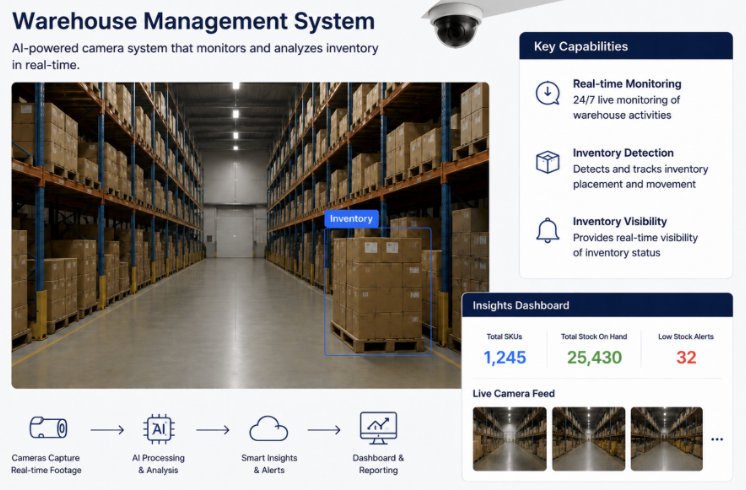
SmartWMS: coordinate warehouse preparation
What the team does
The materials team reviews what clinical areas need for the day. Warehouse staff locate supplies and coordinate preparation and movement to the relevant areas.
How the solution helps
Movement, location and task visibility give the warehouse team a clearer view of the work to complete.
Teams involved: Warehouse staff and materials coordinators
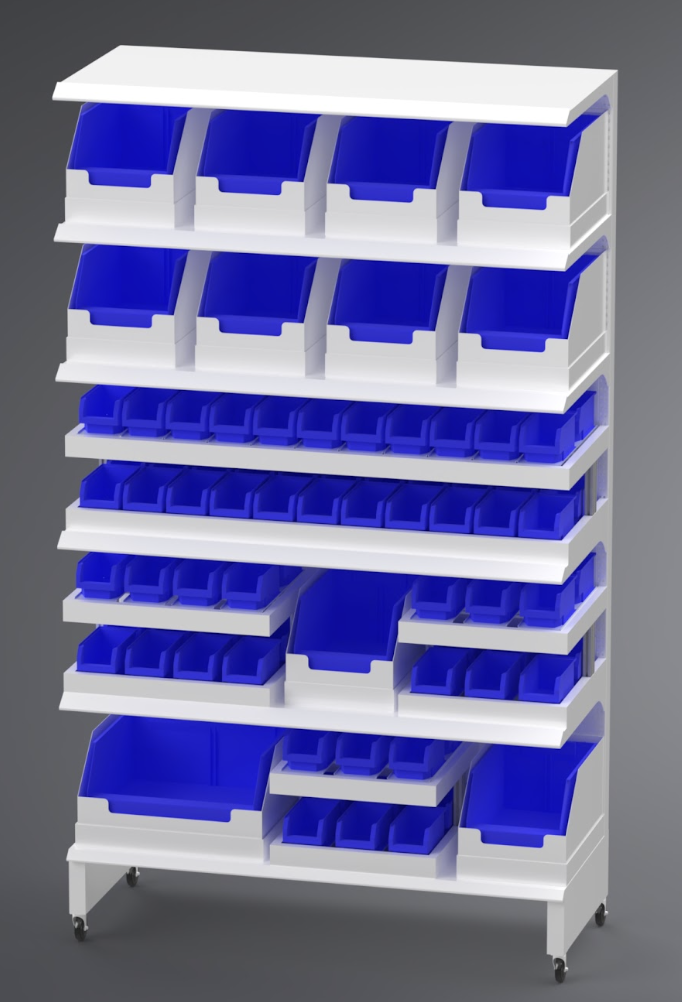
Consumables such as gloves, syringes and dressings are used in the clinical area. Configured weight sensors and computer vision support stock tracking, while inventory and usage information help teams assess remaining supplies.
How the solution helps
Materials staff can review stock visibility and replenishment needs with less reliance on manual checking.
SIMs supports the identification of replenishment needs. The materials team then coordinates the warehouse response through SmartWMS, including locating stock and organising the work to move it to the clinical area.
How the solution helps
Point-of-use information can inform warehouse activity. The handover may be staff-managed or integrated, depending on the agreed system configuration.
Teams involved: Materials coordinators and warehouse staff
SmartRay RS2D: establish the instrument checkpoint
What the team does
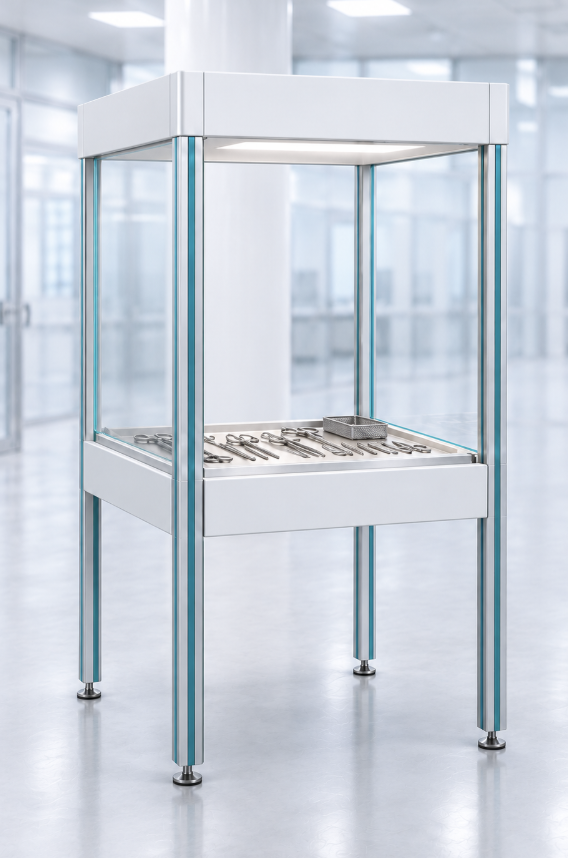
Used surgical instruments are returned after the procedure. Before CSSD entry, the team uses RS2D for visual capture and an accountability record, helping make discrepancies visible at this handover.
How the solution helps
If an instrument appears to be missing, staff can review the record and follow the hospital’s established escalation process. The record supports a clearer handover before reprocessing.
A hospital requiring deeper instrument inspection can use RS3D to add full inspection capability to the RS2D functions. Instruments then continue through the established CSSD workflow.
How the solution helps
The upgrade extends the inspection capability at the checkpoint. CSSD reprocessing and clinical protocols remain part of the hospital’s process.
Teams involved: Instrument inspection and CSSD teams
Each solution supports a different operational need.
Solution
Where it is used
What teams use it for
SmartWMS
Central warehouse
Coordinate materials movement, locations, tasks and replenishment work.
SIMs
Clinical consumables areas
Review stock visibility, usage and replenishment needs.
SmartRay
After OR procedures, before CSSD entry
Support instrument accountability and visual capture with RS2D, adding full inspection capability with RS3D.
Together, the suite can support visibility across materials operations and surgical-instrument handovers. The exact systems, data exchange and responsibilities would be defined with the hospital.
How would this fit your hospital?
Discuss your materials and instrument workflows with Biologic.